After decades spent crafting campaigns and brand narratives at Ogilvy & Mather, Mohan Menon believes the gap between advertising and crime fiction is much smaller than most people imagine.
For Menon, both industries rely on the same core skill: understanding how audiences think, react and stay emotionally invested in a story.
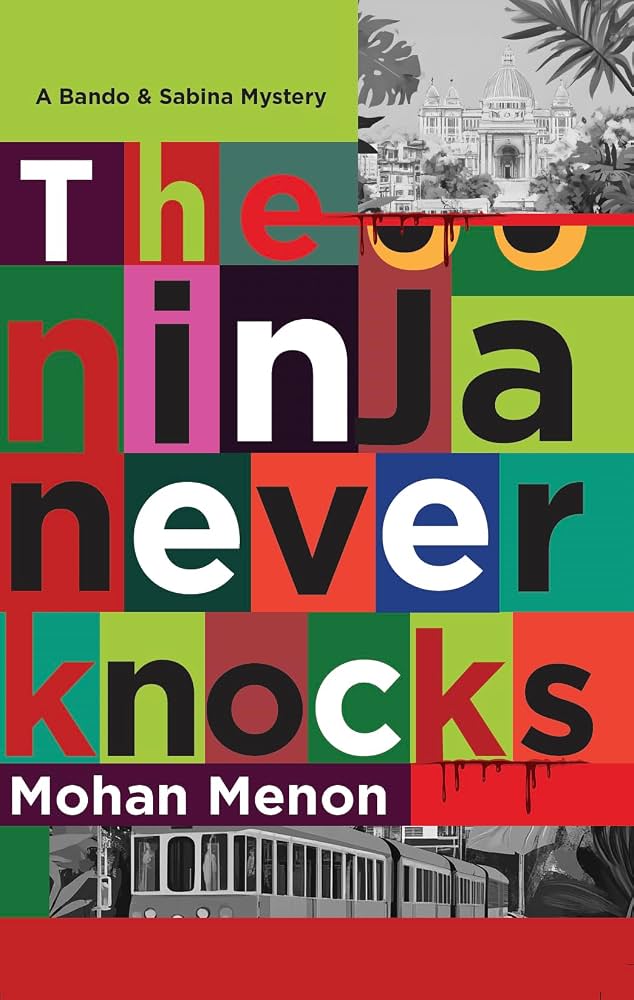
Now, after years in advertising, the former copywriter has stepped into long-form fiction with The Ninja Never Knocks, a crime novel built around mystery, psychological intrigue and carefully controlled suspense.
In a conversation with Influencing, Menon reflected on how years spent in narrative-driven communication shaped his instincts as a fiction writer, and why storytelling remains central to both advertising and publishing.
The transition into crime fiction, he says, was less of a dramatic leap and more of a natural progression. Before writing his novel, Menon had already experimented with darker fictional themes in an earlier collection published in 2019.
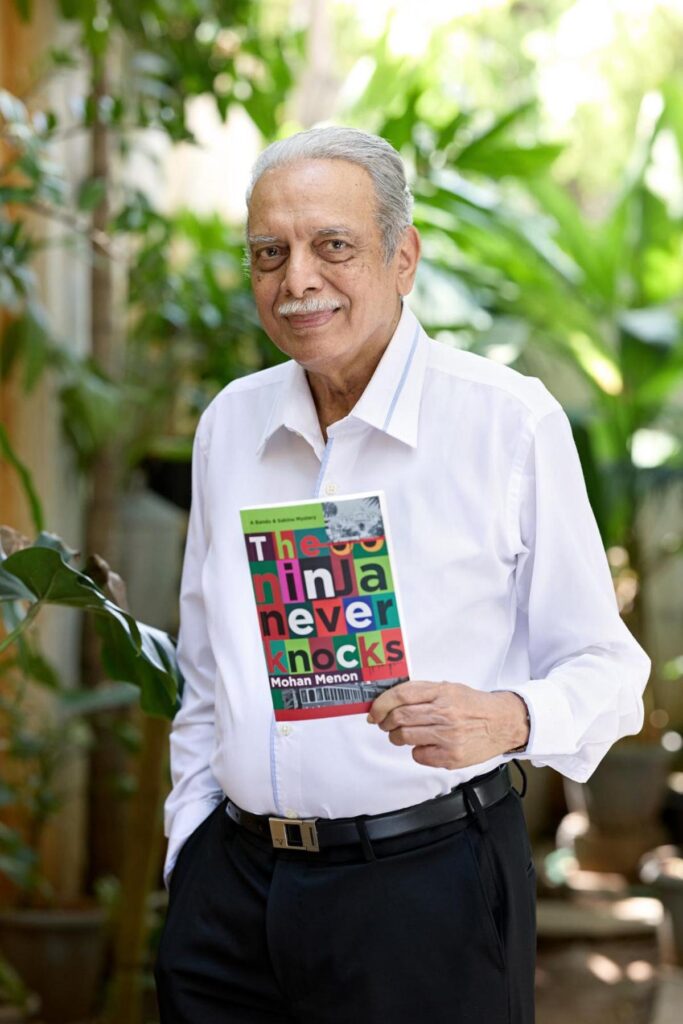
“I used to write fiction earlier. My first book of fictional dark stories was published 2019. It contained elements of crime. So from there to a book of crime fiction was a natural progression,” he says.
Looking back at his advertising years, Menon says the industry fundamentally trained him to think like a storyteller rather than a salesperson.
“If you look at it, advertising is all about story telling …to make emotional connects with an audience. Not just a hard sell of product details. And I was a copywriter. Story telling was an integral part of my role,” he explains.
That emphasis on audience psychology later became central to The Ninja Never Knocks, which revolves around a shadowy “puppet master” figure who builds a business around people’s hidden urges for revenge and violence.
Read more: Salman Rushdie’s The Satanic Verses: The banned book that never was
Menon says the character itself came before the title.
“The title came much later. It started off as a shadowy figure , much like a puppet master who conceives of a business plan that taps into a human being’s latent need or urge to kill someone,” he says. “I decided to christen him the ‘Ninja’ to instil fear.”
Interestingly, the protagonist of the novel is himself a writer — a choice Menon says reflects his fascination with people who reinvent themselves creatively after careers in entirely different industries.
“In this case the protagonist was a management guru who dabbled in writing mysteries after being disenchanted with crime books that he read…and so decided to do one better,” he says.
For Menon, one of the biggest similarities between advertising and crime fiction lies in audience engagement. Both require carefully managing information, sustaining curiosity and controlling emotional payoff.
“The whole idea behind a ‘whodunit’ is to keep the reader guessing. I had my work cut out for me by having to leave false trails, red herrings and blind alleys,” he says.
Even the humour in the novel was intentionally designed as part of that reader experience. Drawing inspiration from classic detective pairings, Menon says he wanted modern audiences to experience something more dynamic and emotionally textured.
“So I decided to cast my detectives as a bickering and squabbling team. They manage their differences and battle on till the culprit is unmasked. The humour is for the reader and not for the protagonists,” he says.
Menon also admits the writing process came with unexpected setbacks. At one stage, parts of the manuscript were lost, forcing him to rewrite significant sections from scratch.
“Actually, losing part of the manuscript and re-writing it taught me more about the importance of ‘saving’ data,” he jokes. “Re-writing is harder and less inspired. I wouldn’t wish it on anybody.”
Comparing fiction writing with advertising, Menon says the biggest difference lies in intent. Advertising ultimately seeks persuasion, while fiction seeks immersion and entertainment.
“In advertising there’s a payday. The cash register has to ring or one has to persuade someone to appreciate your point view,” he says. “In writing fiction one seeks to entertain and if that is achieved the writer is on a high.”At a time when storytelling has become central across journalism, PR, advertising and digital media alike, Menon believes the fundamentals remain unchanged: understand the audience, hold their attention and make them feel something before they turn the page — or scroll away.
The Ninja Never Knocks: A Bando & Sabina Mystery writteen by Mohan Menon is available for purchase on all Amazon.com and all leading online retailers.