
FDA approves new breast cancer drug to reduce recurrence risk
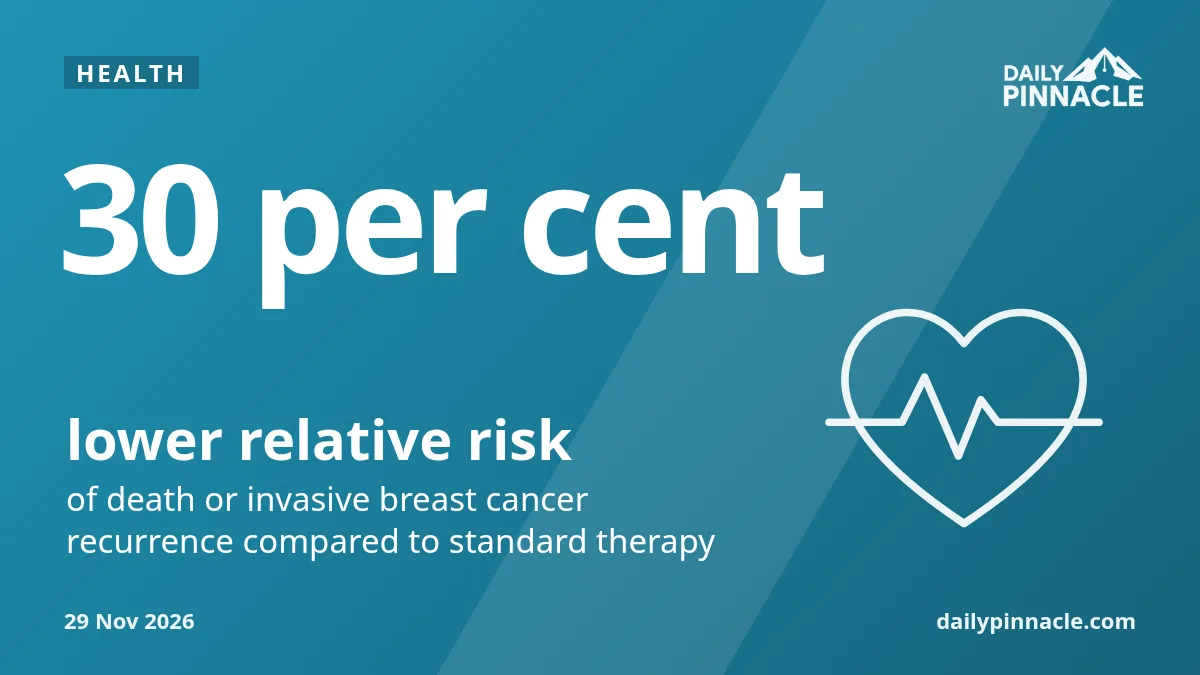
The oral medicine giredestrant reduces the risk of invasive breast cancer recurrence or death by 30 per cent.
The US Food and Drug Administration (FDA) has approved giredestrant, marketed as Wilserdly, for adults with early-stage, hormone receptor (HR)-positive, HER2-negative breast cancer. According to reports from Medical Dialogues and Times Now, the drug is intended for patients at intermediate to high risk of recurrence who have undergone surgery.
The approval follows the phase 3 lidERA clinical trial involving 4,170 patients. The study found that those taking the once-daily oral pill had a 30 per cent lower relative risk of death or invasive breast cancer recurrence compared to those on standard hormone therapy, such as tamoxifen or aromatase inhibitors.
Giredestrant belongs to a class of medicines called selective estrogen receptor degraders (SERDs). Instead of just blocking signals, the drug prevents estrogen from binding to cancer cells and triggers the destruction of those receptors to disrupt cancer growth.
At the three-year mark, 92.4 per cent of patients using giredestrant were alive and free of invasive disease, compared to 89.6 per cent in the standard treatment group. The drug also reduced the relative risk of cancer spreading to organs like the liver, lungs, or bones by 31 per cent.
Common side effects include joint and muscle pain, fatigue, headache, nausea, dizziness, and hot flashes. Dr Aditya Bardia, a global principal investigator of the trial, said the drug could offer a more effective option for patients at increased risk of recurrence after surgery.